English audiobooks by level: what to listen to from A1 to C1
How to tell which English audiobook fits your level, what to listen to from A1 to C1, and how to listen so you actually learn.
The Owloud team · · 5 min read

In short
- Pick audio you understand almost entirely. If you get lost in every sentence, it's too hard to learn from.
- At A1 and A2, short stories and adapted classics; at B1, classics in plain language; from B2 on, original unabridged books.
- Listen with the text in front of you first, then without it, and save the words that keep coming back.
- A little every day beats a lot once a week: ten or fifteen minutes a day is a good start.
Listening to audiobooks is one of the most enjoyable ways to learn English, but it only works if you choose well. Audio that’s too hard turns into noise and you give up after five minutes; audio that’s too easy teaches you nothing new. This guide helps you find the sweet spot for your level, with examples of what to listen to at each one.
How do you know which audiobook fits your level?
The most useful rule is simple: you should understand almost everything you hear. Research on listening comprehension points the same way. In a widely cited study (van Zeeland and Schmitt, 2013), knowing around 95% of the words was enough for most participants to understand what they heard well. In other words: one unknown word in twenty.
To check without counting words, try the one-minute test:
- Play the first minute of an audiobook without looking at the text.
- If you understand what it’s about and who does what, it fits your level.
- If you get lost in every sentence, go down a level or listen with the text in front of you.
- If you understand everything without any effort, try a level up: you learn more when something is a little hard.
What changes from one level to the next?
The levels of the Common European Framework of Reference (CEFR) run from A1, beginner, to C2, near-native. We measured how the 98 short stories in Owloud’s library change from one level to the next:
| Level | Average length | Words per story | Words per minute |
|---|---|---|---|
| A1 | 1 min | 100 | 104 |
| A2 | 1 min | 140 | 135 |
| B1 | 1½ min | 210 | 141 |
| B2 | 2 min | 270 | 142 |
| C1 | 2½ min | 380 | 153 |
Words per minute include the pauses between sentences. Notice that the speed barely changes between A2 and B2: what changes most from one level to the next is the vocabulary, how long the sentences are and how long the story lasts. That’s why slowing down a hard recording won’t make it easy. What holds you back is the words you don’t know.
What to listen to at each level
A1: your first sentences
At A1 you need short sentences, everyday words and calm narration. The best fit is stories of a minute or less with the text in view, so you can follow every word. Owloud has 18 at this level, about places and customs from around the world, like A Country With No Roads or A Day Longer Than a Year.
A2: your first books
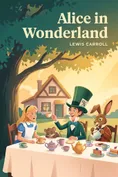
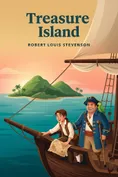
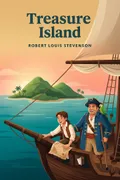
At A2 you’re ready for books. Adapted classics like Alice in Wonderland or Treasure Island tell the original story in simpler sentences, in chapters of about five minutes. Between chapters, this level’s 29 short stories give you variety without raising the difficulty.
B1: following the story without knowing every word
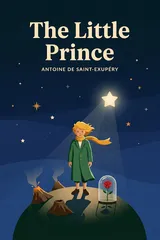
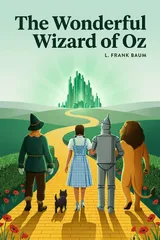
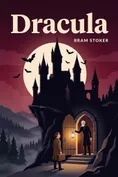
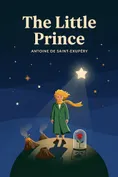
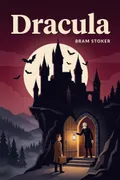
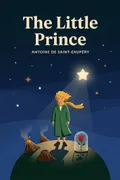
B1 is where audiobooks start to be truly enjoyable. You can take on classics written in plain language, like The Little Prince or The Wonderful Wizard of Oz, and longer adaptations like Dracula. You won’t understand every word, and you don’t need to: if you’re following the plot, you’re at the right level.
B2: original books, with a little effort
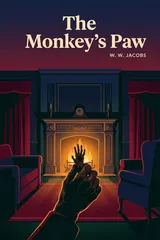
At B2 come the original, unabridged books. Start with the short ones: The Monkey’s Paw and The Velveteen Rabbit each run under half an hour. Then move on to A Christmas Carol or The Time Machine, with older vocabulary and longer sentences.
C1: unabridged classics
At C1 you can take on any novel: The Call of the Wild, White Fang or The Adventures of Tom Sawyer, narrated in full, uncut. Here the challenge is no longer following the story but the literary vocabulary and the dialogue, written the way people spoke in their day.
You can see every title at each level, with its length and summary, in Owloud’s library.
Original or adapted audiobook?
An adapted audiobook retells the story with the vocabulary and grammar of a specific level; an original is the text exactly as its author wrote it.
- Up to A2, adaptations are almost always the better choice: you get the whole story without wrestling with every sentence.
- At B1, alternate: an adaptation to move quickly and a short original to challenge yourself.
- From B2 on, originals are worth the extra effort, because that’s English as it’s really written.
How to listen so you actually learn
- Text first, then without it. In spoken English words run together, and reading while you listen helps you tell them apart and connect how they’re spelled with how they sound. In a study of English learners (Brown, Waring and Donkaewbua, 2008), those who read, on their own or with the audio, remembered more new words than those who only listened. Once a story feels easy, listen to it again without the text to train your ear.
- Replay what you’ve already heard. You understand more the second time than the first, and by the third you translate less in your head. Replaying a chapter isn’t a waste of time.
- Save the words that keep coming back. In that same study, the words that appeared most often in the text were the ones learned best and forgotten least. If a word shows up three times in a chapter, it’s worth saving; if it shows up once, let it go. And review it a few days later, because most words you only hear in passing are forgotten.
- A little, but every day. Ten or fifteen minutes a day tends to pay off more than two hours on a Sunday, because your ear gets used to English through repetition.
That’s how Owloud works: the text lights up word by word as you listen, you tap any word to see what it means, and you save it to review with flashcards right before you’d forget it.
Frequently asked questions
What's a good English audiobook for beginners?
A short one, narrated calmly, with everyday vocabulary, like an A1 short story or a classic adapted to A2. Ideally it shows the text so you can follow along as you listen.
Do audiobooks help you learn English?
Yes, as long as you understand most of what you hear. Listening at your level gets you used to the rhythm and pronunciation of real English and teaches you words in context. Anything far above your level turns into noise.
Is it better to read and listen at the same time?
At first, yes. Reading while you listen helps you tell words apart and connect how they're spelled with how they sound. Once a story feels easy, listen to it without the text to train your ear.
How long should I listen to English each day?
As long as you can keep up every day. Ten or fifteen minutes a day tends to pay off more than two hours on a Sunday, because your ear gets used to English through repetition.